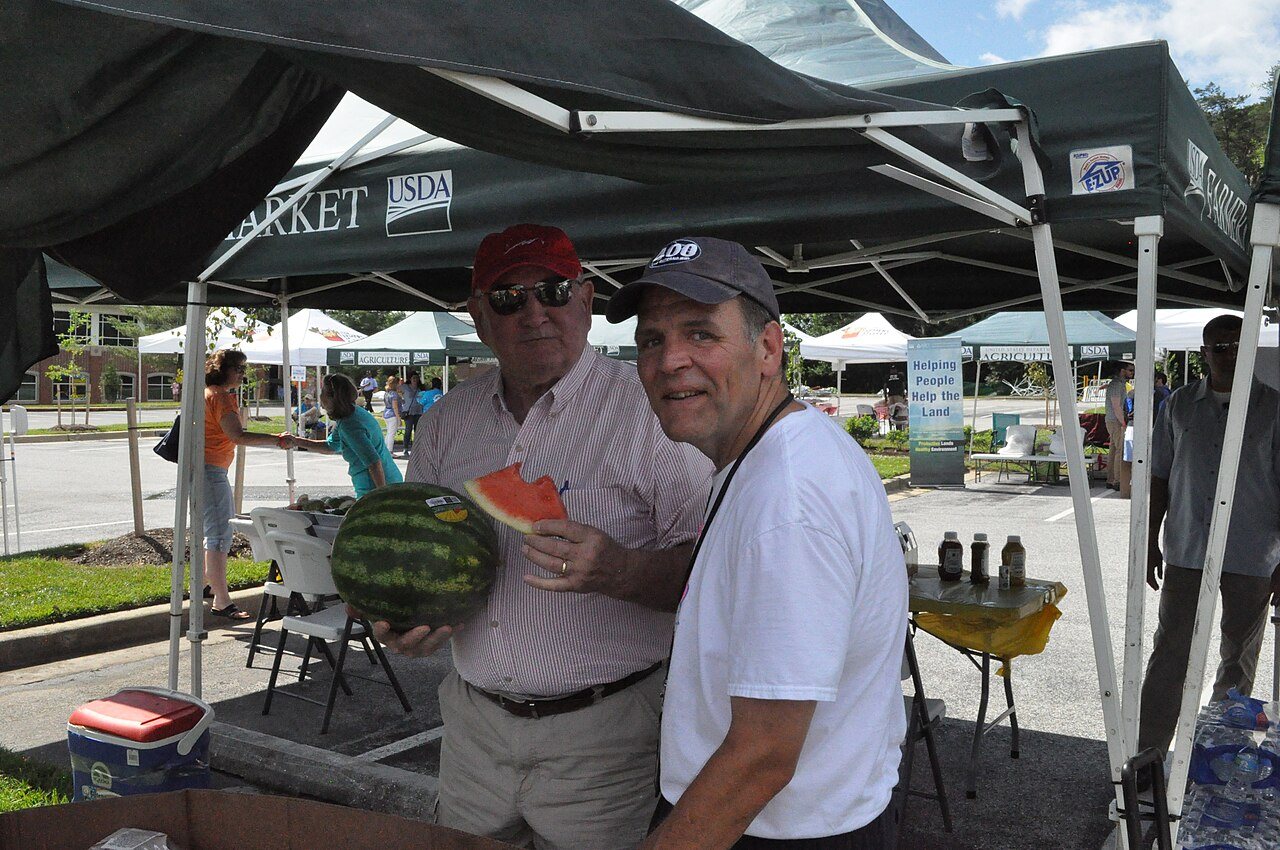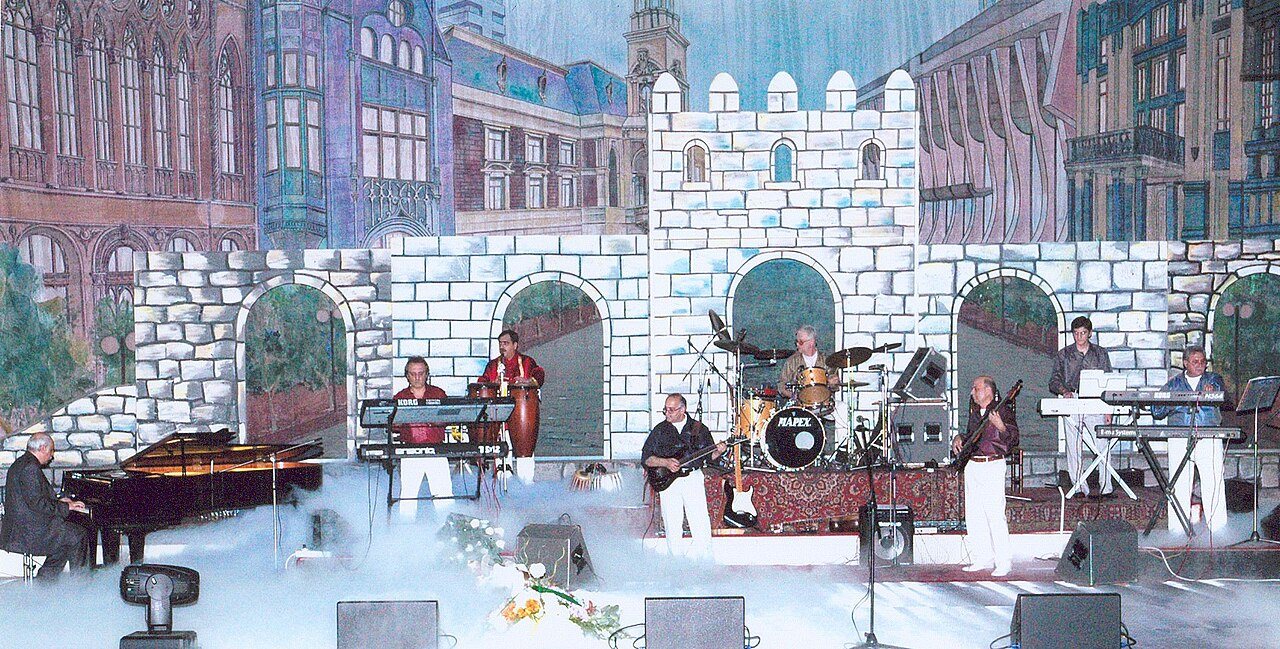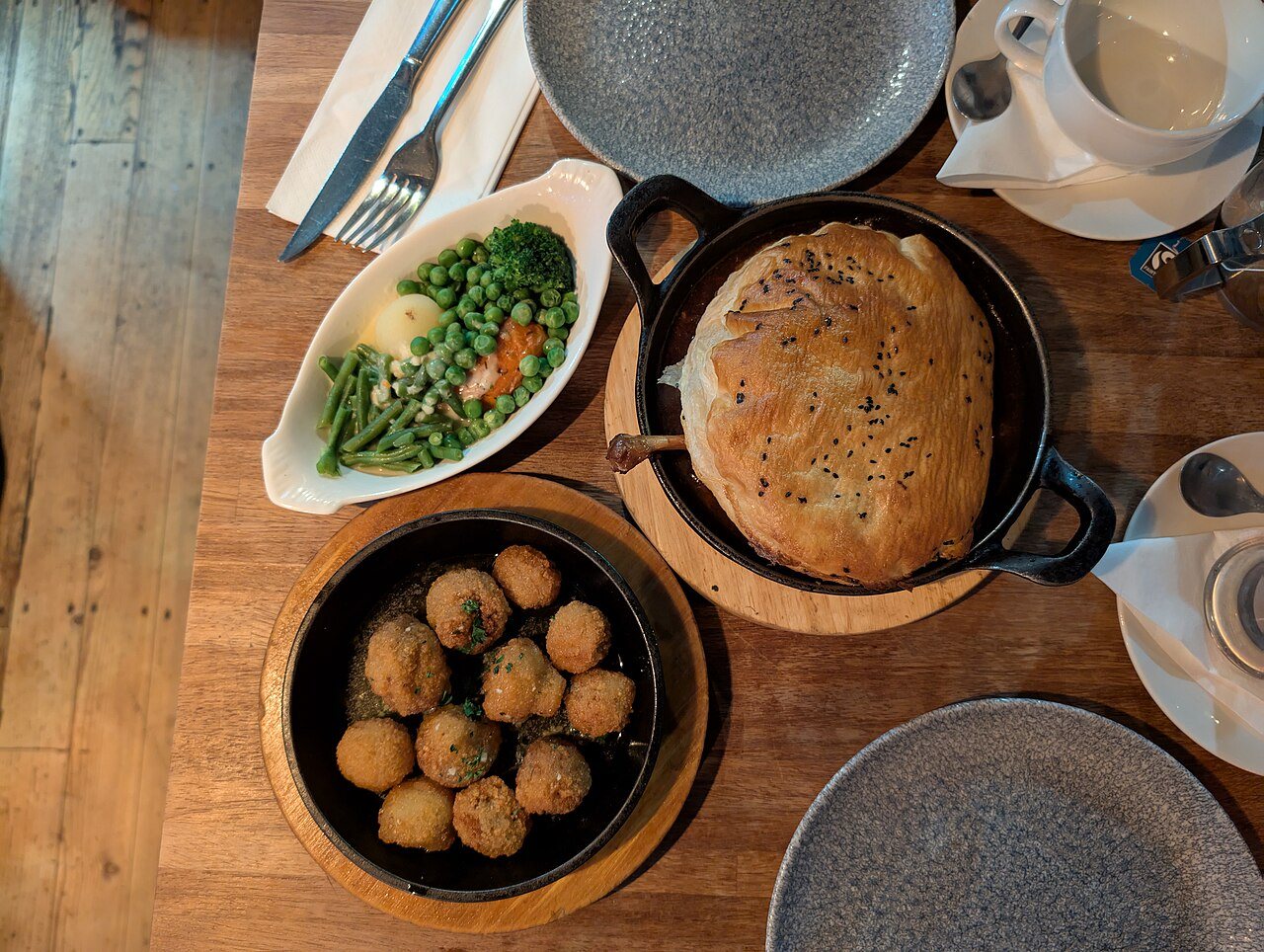
Ask anyone who has ever organised a birthday dinner, a weekend hike, a club night or a road trip: the hard part was never the idea. The hard part is the admin. Somewhere between 'we should do something Saturday' and actually standing in the same room, a plan has to survive five apps, three group chats, two spreadsheets and one friend who never reads anything.
Why is planning an event with friends so exhausting?
Because the modern hangout is spread across tools that were never designed to talk to each other. A single Saturday plan typically looks like this:
- WhatsApp or iMessage for the group chat — where the venue link is buried 200 messages deep.
- Google Maps or Apple Maps for the location, pasted twice because someone joined late.
- A poll app or a Doodle link to pick a time nobody actually confirms.
- Instagram DMs for the people who aren't in the main group.
- Splitwise, Venmo, UPI, PayPay or a calculator app to split the bill afterwards.
- A shared album that half the group forgets to upload to.
That is six apps for one evening. Every switch is a place where the plan can quietly die — and it usually does. Event organisers call it coordination fatigue: the effort of hosting outgrows the joy of attending, so people stop hosting altogether.
Your plans deserve more than a group chat.
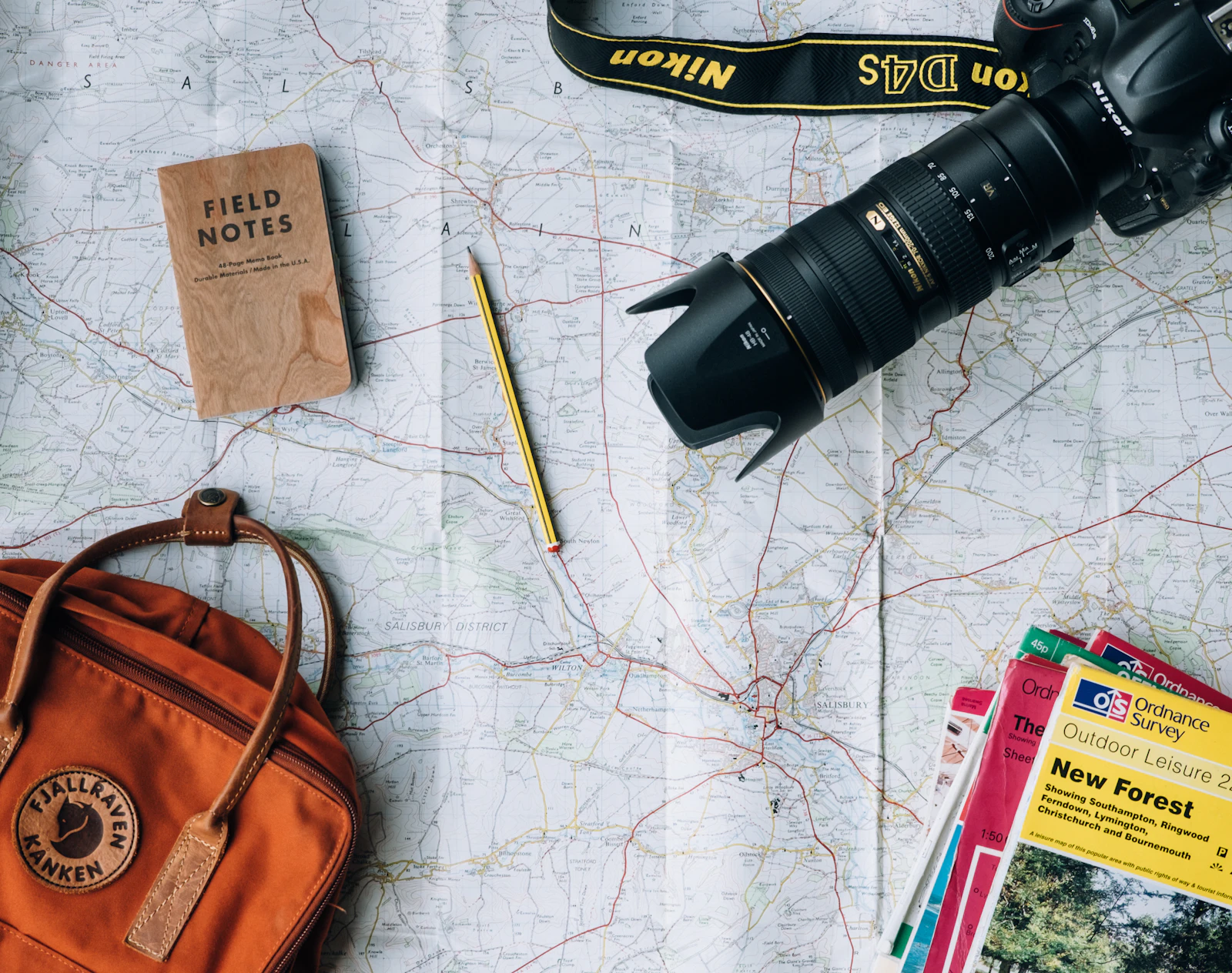
The hidden cost of app-switching for hosts
Every host knows these failure modes. The venue changes and three people show up at the old spot. Two friends never saw the time poll, so the group waits 40 minutes. The bill arrives and one person fronts $280 and spends a week chasing everyone. The photos live on four phones and never get shared. None of these are people problems — they are tooling problems.
Research on group decision-making is consistent on one point: the more steps between intention and action, the lower the follow-through. Every extra tap, tab and copy-pasted link reduces the odds the hangout actually happens.
What is Hoot Me's Event Hub?
Hoot Me's upcoming Event Hub is a single screen that holds everything about one hangout: the location, the date and time, the participant list, the group chat, the polls, the shared photo album, the bill splitter, and one-tap sharing to Instagram or TikTok. Nothing leaves the event. Nothing gets lost in a scroll-back.
1. Location, date and time — pinned, not pasted
The venue and time sit at the top of the event, always visible. Change the venue and everyone attending sees the update instantly, with a map pin they can open in one tap. No more 'wait, which entrance?' at 10pm.
2. Group chat that lives inside the event
Every event has its own chat, scoped to the people actually going. Your main friend group chat stays clean, and the event chat archives itself with the plan instead of dissolving into memes by Monday.
3. Polls: decide instead of debating
Create a poll for the time, the restaurant, the trail or the playlist, and let people vote in a tap. Results are visible in the event, so a decision is a decision — not 25 messages of 'whatever works for you'.
4. Bill splitting, built in
Add what was spent, choose who owes what — split evenly or per item — and the Hub does the math. Everyone sees their share in the same place they saw the invite, so nobody has to be the person chasing money over text.
5. Shared memories, automatically
One shared album per event. Everyone drops their photos and videos in, and the whole group gets the full set — including the shots taken on the phone that died at midnight. Push straight to your Story, Instagram or TikTok without exporting and re-uploading.
6. Private events for your own crew
Not everything should be on a public map. Set an event to Private and only the people you invite can see it, join it, or view the location, chat and photos. Public events are for meeting new people; private events are for your existing crew — same Hub, your rules.
How is this different from a group chat plus Splitwise?
A group chat is a stream; an event is a state. Chats have no memory of who confirmed, what was decided, where it is happening or who still owes what — you have to reconstruct all of it by scrolling. The Event Hub stores that state: attendance, decisions, location, money and media all attached to the plan itself. When the night ends, the event becomes the record of it.

Who benefits most from an all-in-one event planner?
- Serial hosts who organise dinners, house parties, pool parties and club nights and are tired of being the unpaid project manager.
- Hiking and travel groups coordinating meeting points, gear, carpools and shared costs across time zones.
- New-in-town people and expats in Tokyo, New York, Bangalore, London or Singapore building a social circle from scratch.
- Friend groups who want the photos, the memories and the receipts in one place a year later.
- Creators and small businesses running local meetups who need RSVPs, logistics and payments without a full event platform.
Does an all-in-one hub actually improve turnout?
It removes the three biggest reasons plans collapse: unclear details, undecided logistics and awkward money. When the location is pinned, the time is voted on, and the split is automatic, 'maybe' turns into 'see you at 8'. Hosting stops feeling like work, so people host more — and the more people host, the more there is to do in your city.
When is Event Hub launching, and how do I get it?
Event Hub is rolling out inside Hoot Me, the IRL meetup app for hanging out with verified people near you — clubbing, hiking, travel, concerts, fitness and dinners. Download Hoot Me free on iOS or Android to browse and join events near you today, and you'll get Event Hub the moment it lands. Free members can join five events and create two events every month; Premium unlocks unlimited hosting for $9.99 per month.
Plan it. Meet up. Capture it. Remember it — all on one screen.