Tinder launched in India in 2013 and, on paper, should have won the market. It didn't. A decade later, most Indian users describe Tinder as 'a ghost town for men and a spam folder for women.' The frustration is real, and the reasons are structural — not personal.
The core problem: a broken gender ratio
Every serious study of dating apps in India puts the male-to-female ratio somewhere between 7:1 and 9:1. That single number breaks the entire product. Men swipe right on almost everyone hoping for any match; women get flooded with hundreds of daily likes and stop opening the app. Nobody actually meets.

Why swiping culture clashes with Indian dating norms
- Most Indian users still meet partners through friends, family, college or workplaces — trust travels through networks, not photos
- A profile with 4 pictures and a one-line bio simply doesn't carry enough signal for a culture that values context
- Meeting a total stranger for a one-on-one date is high-friction in most Indian cities — parents, safety, transport, judgement
- Fake profiles and catfishing are widespread; a 2024 LocalCircles survey found 61% of Indian dating-app users had encountered a scam or fake account
What Indian users actually want (and Tinder doesn't offer)
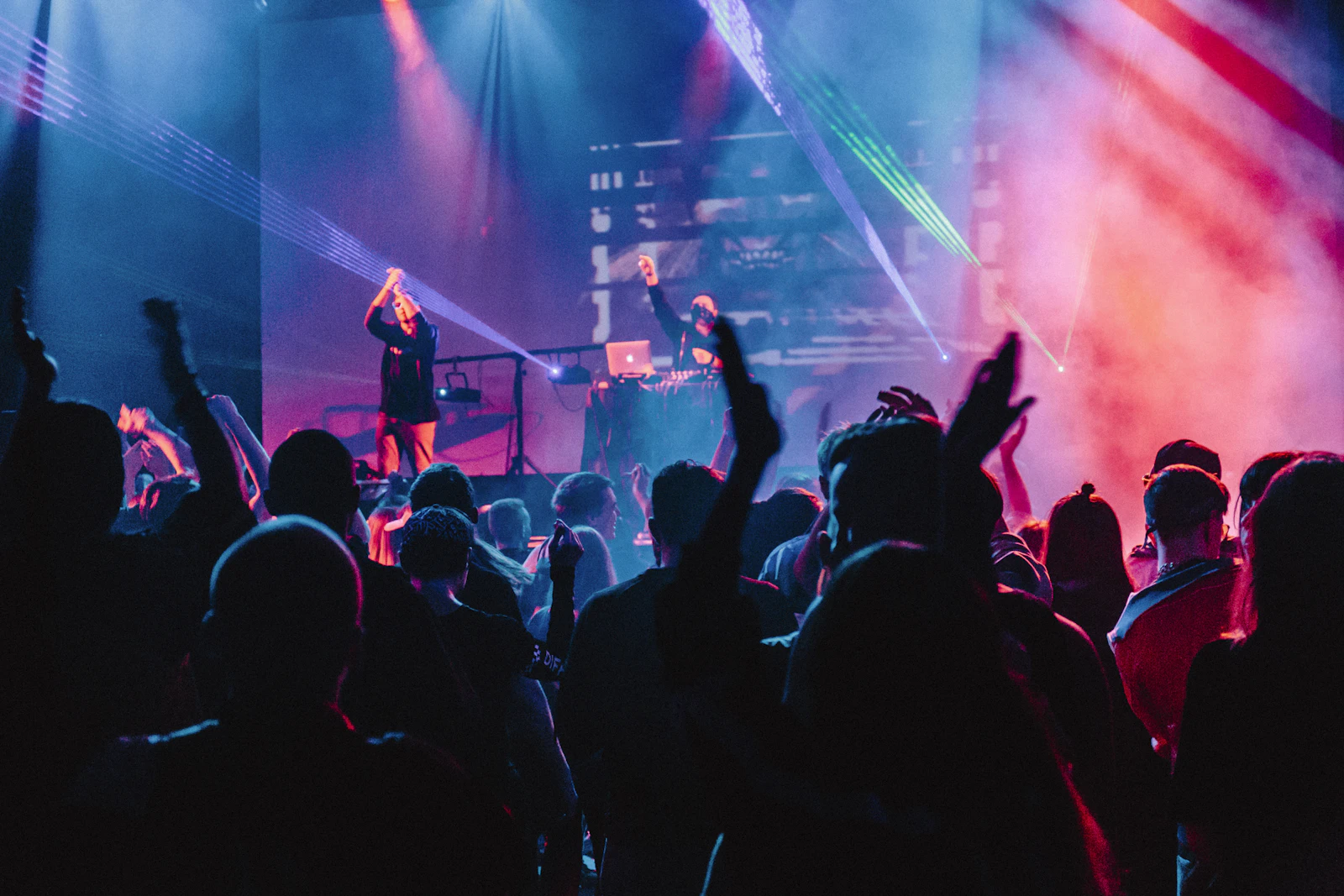
Ask 100 urban Indians in their 20s what they want from a social app and the answers cluster tightly: real people, verified, meeting in public, with friends around, doing something — a hike, a club night, a dinner, a concert. Not a 1-on-1 blind date with a stranger from a photo grid.
The anti-swipe alternative that's working in India
Hoot Me is built for this. Instead of swiping profiles, you open a map of real events happening near you tonight — hikes in Nandi Hills, club nights in Koramangala, dinners in Bandra, concerts in Gurgaon. Everyone attending is ID-verified. You show up in a group, not a blind 1-on-1. Dating happens naturally, the way it always did — through shared experiences, not photo grids.
Is Hoot Me free in India?
Yes. The free tier lets you join 5 events and create 2 events per month, which is more than most users need. Premium at $9.99/month unlocks unlimited joins and creations. There are no hidden 'boost' or 'super-like' paywalls — the pricing is transparent and dramatically cheaper than Tinder Gold (₹1,200+/month) or Bumble Premium.
The verdict for Indian daters in 2026
Tinder isn't broken because Indians don't want to date. It's broken because the swipe model was built for a different culture. If you want to meet real people in Bangalore, Mumbai, Delhi, Hyderabad or Pune this weekend — skip the swipe, open the map, and show up.